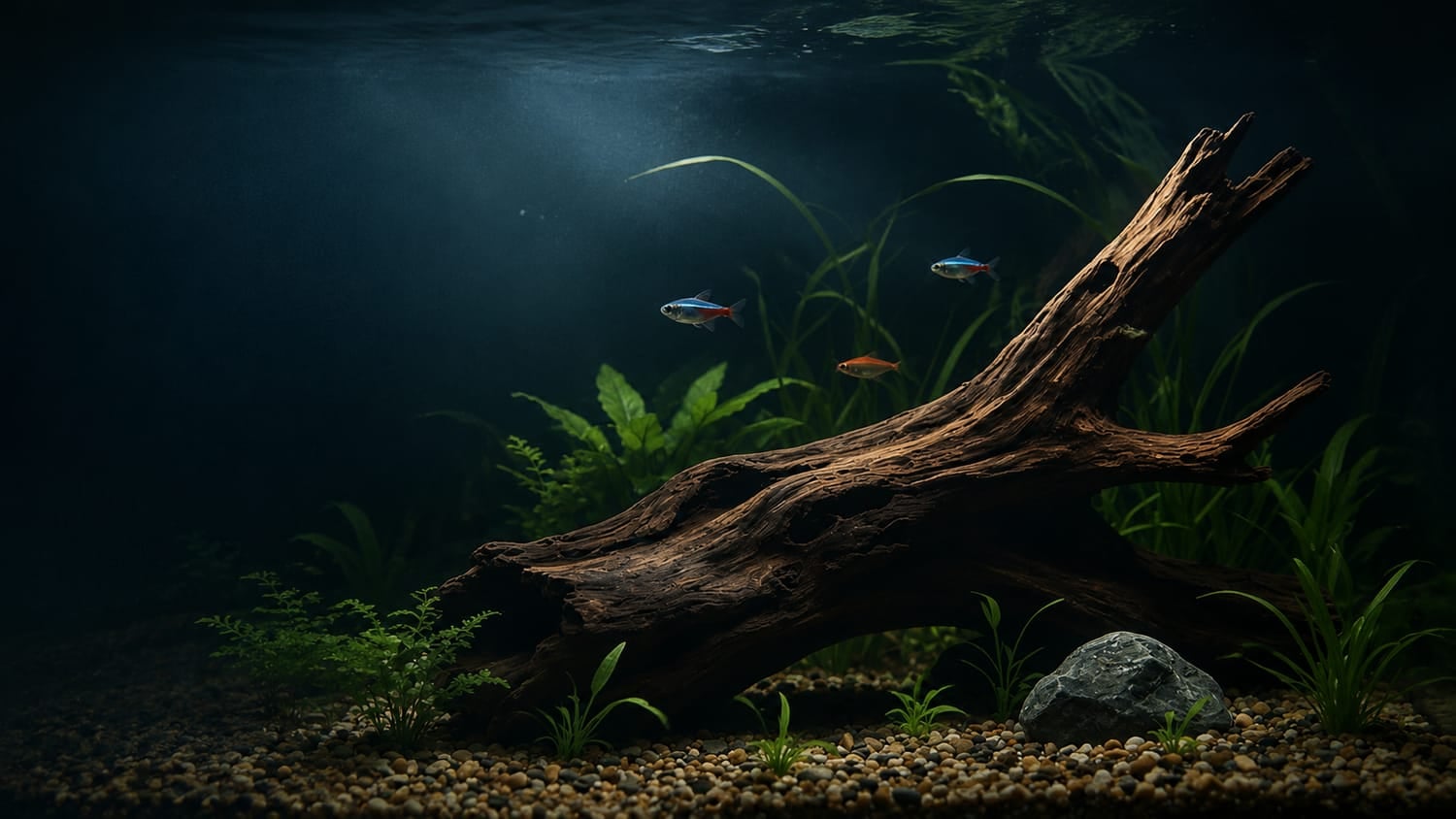
Yes. A planted aquarium can thrive without injected CO2 when plant demand stays within the carbon naturally available from fish respiration, surface exchange, and decomposing organic matter. Growth is slower than in a high-energy aquascape, but that slower pace often means easier pruning, lower cost, and more forgiving maintenance.
This guide uses conservative setup principles consistent with Tropica’s explanation of aquarium CO2 demand and Aquarium Co-Op’s practical list of easy aquarium plants. Product-specific instructions always take priority.
The short answer: can plants grow without added CO2?
Choose genuinely undemanding species and avoid driving them with excessive light. Anubias, Java fern, Java moss, Cryptocoryne, Vallisneria and many floating plants are dependable starting points. “No injected CO2” does not mean “no carbon”; it means the tank relies on natural sources.
How light, CO2 and nutrients stay in balance
Light sets the speed of the system. If light is intense while carbon is limited, plants cannot use all the energy and algae gains an opportunity. Begin with moderate intensity for six to eight hours. Add fertilizer conservatively, then adjust from plant response rather than a rigid schedule. A suitable aquarium LED light should offer coverage and controllable timing, not simply maximum brightness.
| Setup signal | Low-tech starting point | Adjust when |
|---|---|---|
| Light period | 6 hours daily | Plants establish without persistent algae |
| Light intensity | Low to moderate | New growth stays weak after other causes are checked |
| Planting density | High from day one | Pruning becomes necessary |
| Fertilizer | Conservative label-based dose | Repeated growth patterns indicate a deficiency |
| Water movement | Gentle circulation | Debris settles or surface exchange is poor |
Easy plants for a low-tech aquarium
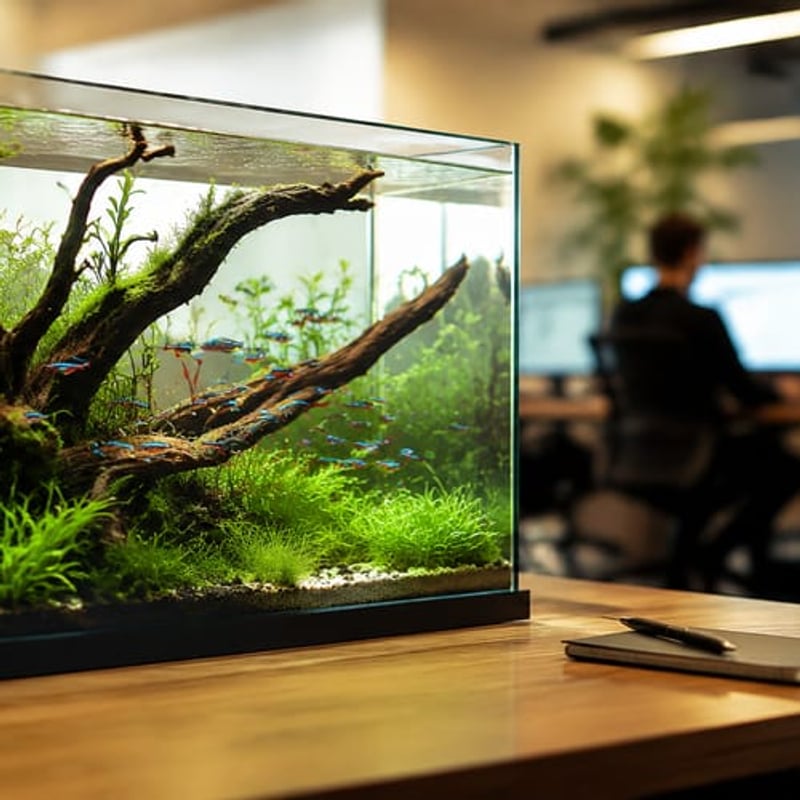
Attach rhizome plants to wood or rock instead of burying the rhizome. Use Cryptocoryne and Vallisneria as rooted background plants, moss for hardscape detail, and floaters to absorb nutrients and soften light. Buy healthy plants, remove damaged leaves, and allow several weeks for adaptation.
Substrate, filtration and water flow
Most easy plants can grow in inert gravel or sand if root feeders receive appropriate nutrition. Filtration should keep water clear without blasting leaves. Gentle circulation distributes nutrients and reduces dead zones; compare a serviceable hang-on-back filter or an appropriately sized circulation pump against tank volume and livestock needs.
A step-by-step low-tech setup
- Select a stable tank location away from direct sun.
- Add substrate and hardscape, then plant densely from the beginning.
- Fill slowly, start filtration, and cycle the aquarium before stocking fish.
- Set moderate light for six hours and increase only if plants respond well.
- Add livestock gradually and monitor temperature, ammonia, nitrite and nitrate.
Weekly maintenance and algae prevention
Perform regular partial water changes, remove decaying leaves, clean the viewing glass and check filter flow. Do not deep-clean all biological media at once. Prune plants so lower leaves receive light. If algae appears, reduce excess light and organic waste before buying another additive.
Common problems and practical fixes
Yellow new growth can indicate a nutrient issue; transparent or melting older leaves may be normal adaptation. Long gaps between leaves often point to insufficient light, while persistent algae frequently signals too much light for the available carbon and plant mass. Change one variable at a time and observe for at least a week.
Equipment questions to ask before buying
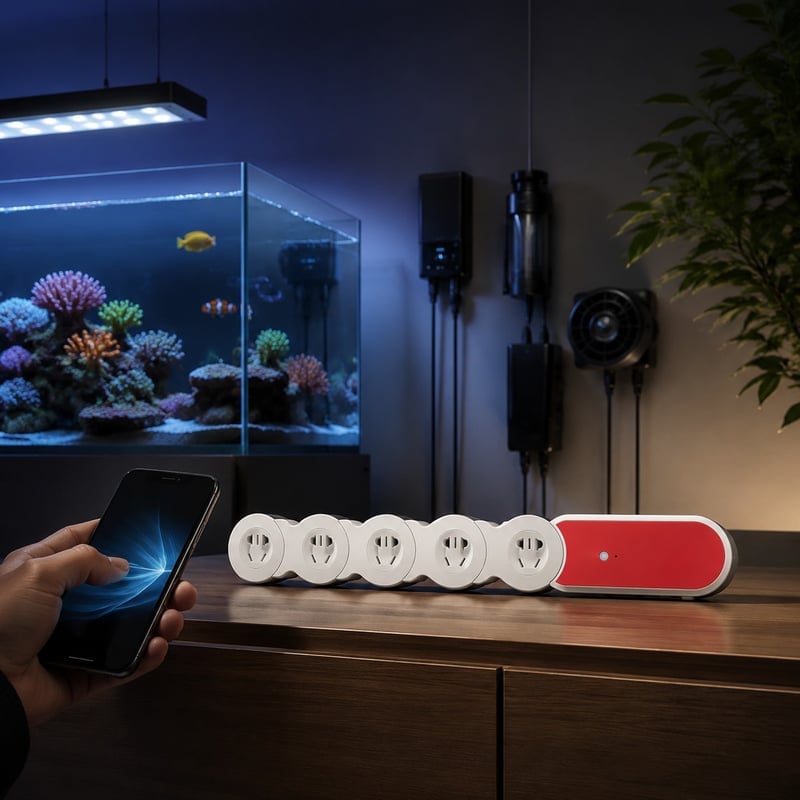
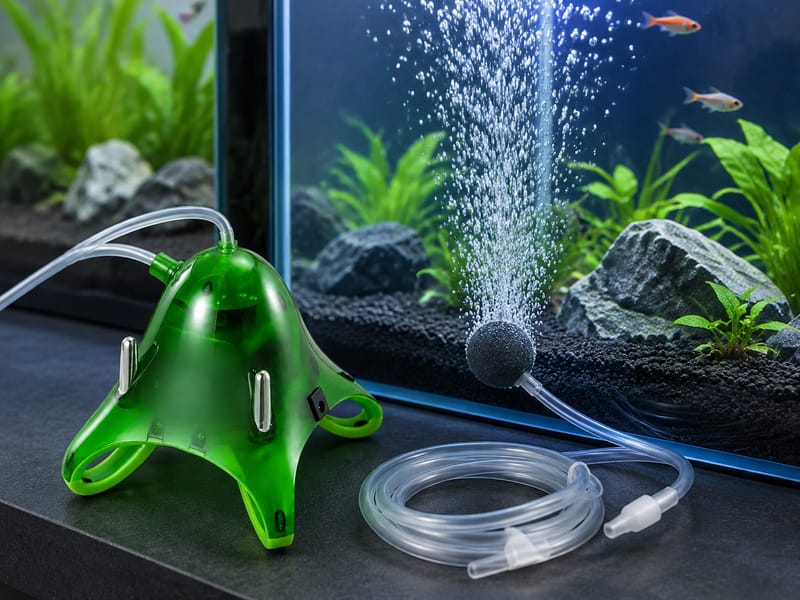
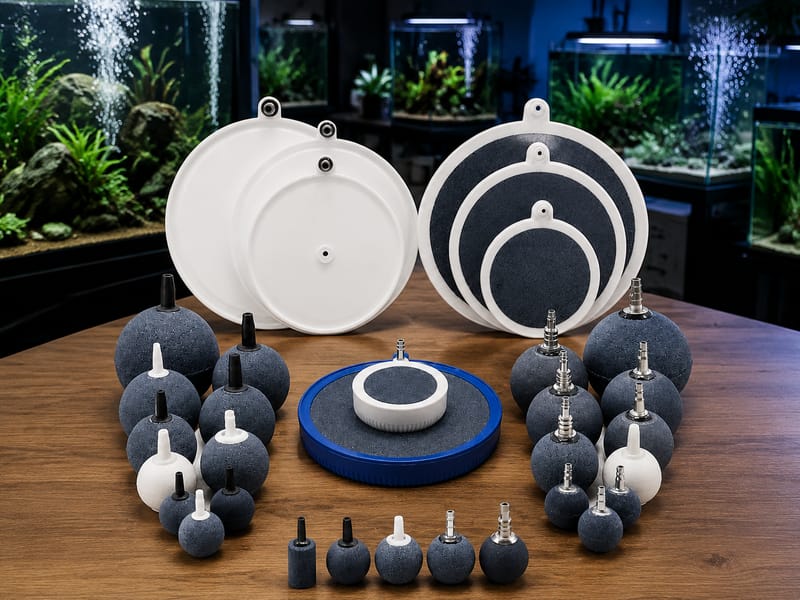
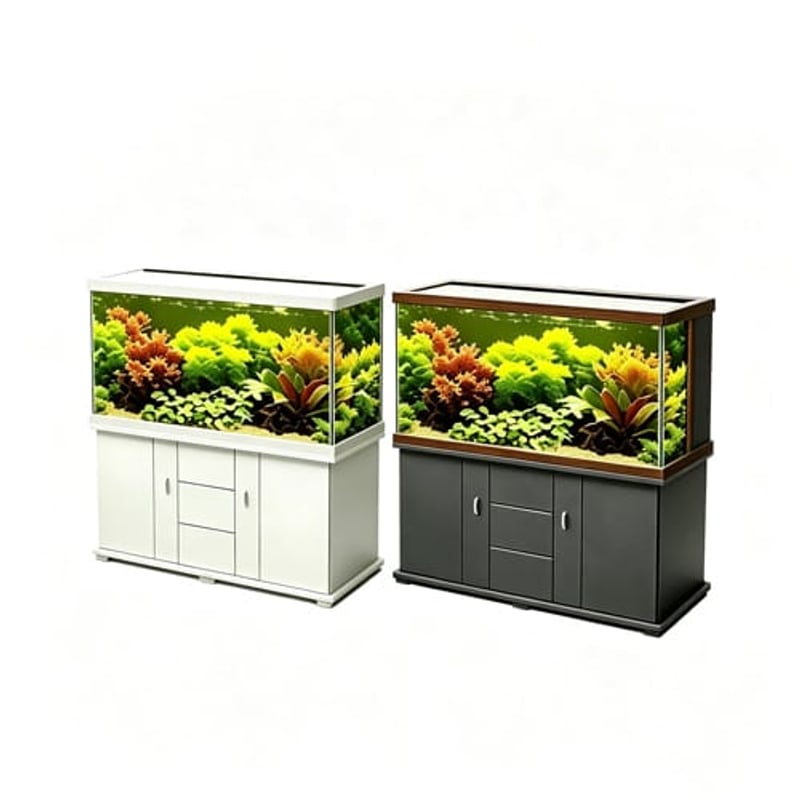
Confirm light coverage and timer control, filter media availability, adjustable flow, noise, voltage, cleaning access, and spare parts. Aeration can improve gas exchange at night or in warm, heavily stocked tanks; match any air stone to the pump rather than assuming more bubbles are always better. WKAQOO can help business buyers compare compatible lighting, filtration, circulation and aeration options; model specifications and commercial terms should be confirmed for each inquiry.
FAQ
Do liquid-carbon products replace injected CO2? No. They are different products and should only be used according to their label, with attention to sensitive plants and livestock.
Is an air pump required? Not always. Good surface movement may provide adequate exchange, but extra aeration can be useful at night, during hot weather or when oxygen demand rises.
Sources and editorial method
The biological guidance was checked against the Tropica and Aquarium Co-Op resources linked above. Equipment recommendations are selection criteria rather than claims about every model. WKAQOO Editorial Team reviewed the article on 2026-08-20; aquarium volume, livestock, plant species and manufacturer instructions must be considered before applying it.