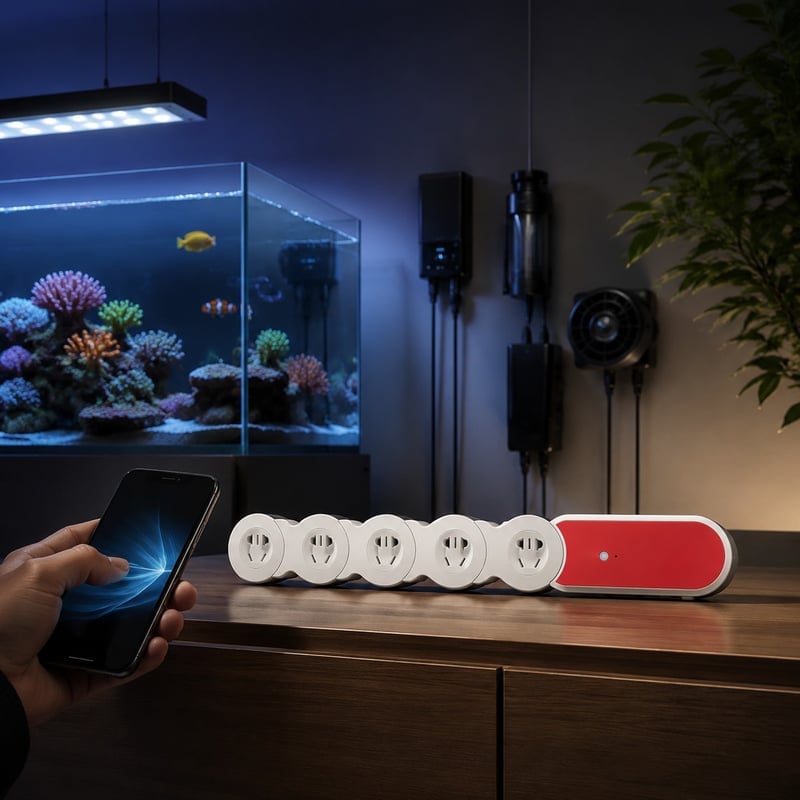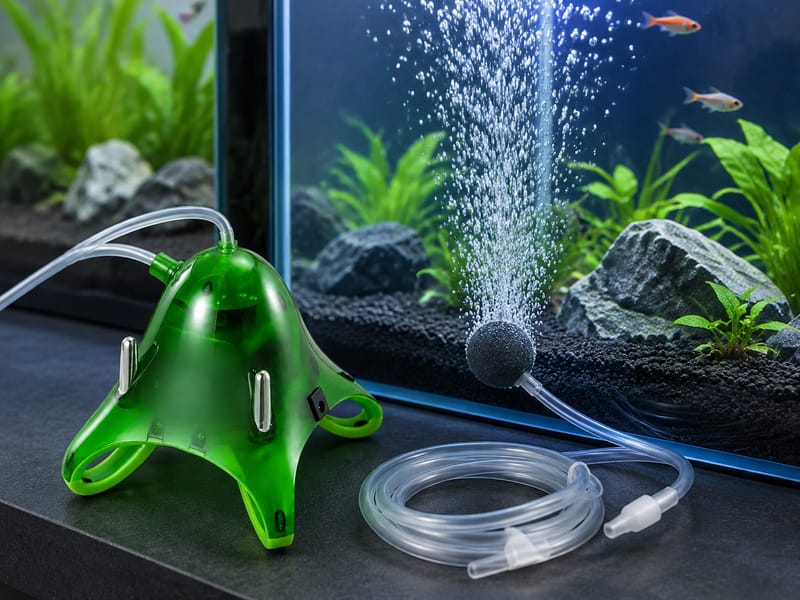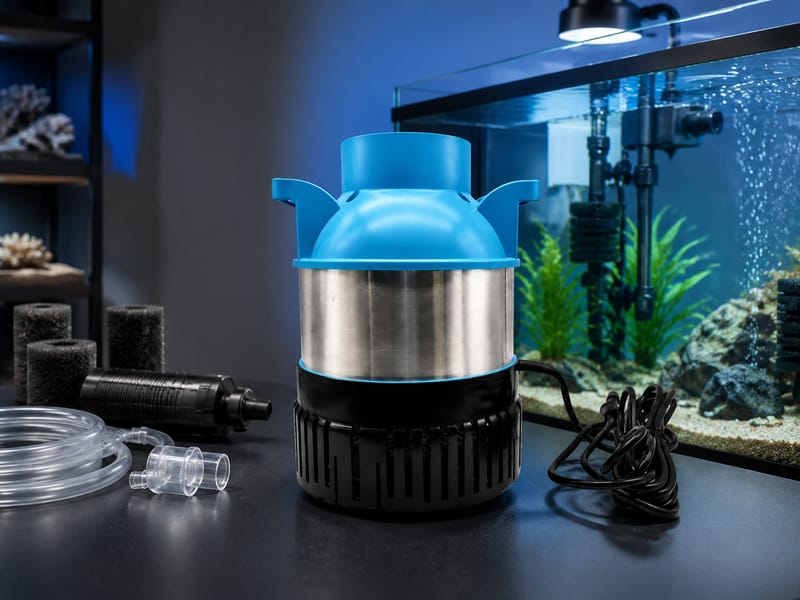
An aquarium equipment sample testing checklist helps importers compare what was quoted with what arrives, identify compatibility problems early, and create a clear approval standard for production. The most reliable process is not a quick visual inspection: it combines documented requirements, repeatable functional tests, safety and labeling review, maintenance checks, and a signed golden sample.
Use the same checklist for every candidate supplier and model, but adjust the test criteria by product category. A circulation pump, aquarium heater, LED fixture, and air stone have different risks, operating conditions, and user expectations. The goal is to verify the sample against the intended retail use—not to assume that a product that works briefly on a bench will perform consistently in an aquarium.
Turn Customer Requirements Into Test Criteria
Start testing before the sample arrives. Convert your product brief, target customer feedback, retail positioning, and applicable market requirements into measurable acceptance criteria. This step prevents the common problem of approving a sample based on general impressions, then discovering that the bulk product does not suit the planned assortment.
Create a product specification sheet with three columns:
- Requirement: What the product must provide.
- Test method: How your team will verify it.
- Acceptance limit: The pass, fail, or conditional-approval threshold.
For example, “quiet operation” is too subjective on its own. A better requirement identifies the test setup, runtime, water level, installation method, and who evaluates the result. Similarly, “fits a 20-gallon aquarium” should be translated into dimensions, mounting clearance, water-depth range, cable routing, flow expectations, and the type of aquarium setup assumed.
Define the intended use before testing
Ask these questions for each SKU:
- Is the product intended for freshwater, saltwater, turtle habitats, planted tanks, breeding systems, or general aquarium use?
- What aquarium size range is being marketed, and what assumptions affect that range?
- Will the customer use it in a rimmed, rimless, covered, or open-top aquarium?
- Is the product for beginner hobbyists, experienced aquarists, or professional retail use?
- Which voltage, plug type, instructions, warnings, and retail-label format are needed for the target market?
- Does the program require a private-label logo, specific color, retail packaging, barcode placement, or bundled accessories?
- Which performance claims must be validated before they appear on packaging or product listings?
Do not treat a supplier’s stated tank-size suitability or flow rating as a universal result. Aquarium stocking level, filter media, plumbing layout, water depth, head height, décor, and maintenance habits can change real-world performance.
Build category-specific test plans
The table below provides a starting framework for common aquarium product samples.
| Product type | Primary sample tests | Common approval risks |
|---|---|---|
| Internal or external filter | Startup, flow, leaks, media fit, intake/outlet placement, noise, priming | Leaks, weak flow under realistic setup, loose fittings, hard-to-clean parts |
| Water circulation pump | Flow direction, mounting, vibration, heat, cable routing, restart behavior | Excess vibration, poor attachment, misleading suitability range |
| Aquarium heater | Temperature control, stability, indicator operation, mounting, housing condition | Temperature drift, unclear settings, unsafe placement instructions |
| LED or T5 HO lighting | Brightness consistency, switch or controller operation, heat, splash exposure, mounting | Uneven light, excessive heat, weak brackets, unclear timer/control use |
| Air pump and air stone | Air output, noise, tubing fit, check-valve compatibility, bubble consistency | Rattling, reduced output with tubing, accessory mismatch |
| Accessories and décor | Dimensions, edges, material finish, attachment, cleaning, packaging | Sharp edges, inconsistent color, poor fit, incomplete components |
A professional buyer should also separate critical defects from minor defects. A cracked electrical housing, water leak, exposed conductor, or unstable temperature behavior should stop approval. A small cosmetic issue may be correctable, but it still needs a documented disposition before production.
Inspect Materials, Assembly, and Workmanship
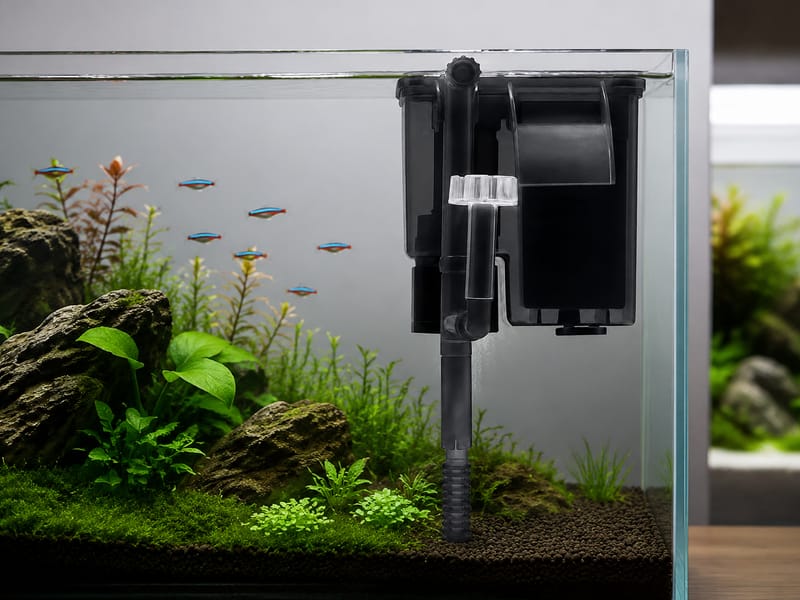
Visual inspection is the fastest way to catch defects that later create returns, negative reviews, or inconsistent production. Inspect the sample dry, then inspect it again after installation and operation. Some issues only appear after seals are compressed, plastic warms, vibration begins, or water reaches the assembly.
Check the following areas:
- Plastic surfaces for cracks, sink marks, warping, discoloration, flash, and sharp unfinished edges.
- Molded logos, control markings, arrows, and scale indicators for legibility and consistent placement.
- Seams, joints, screws, clips, latches, suction cups, brackets, and mounting points for secure assembly.
- O-rings, gaskets, seals, and hose connectors for correct placement and obvious damage.
- Metal components for corrosion resistance appropriate to the intended use and for protection from exposed edges.
- Cables, strain relief, plug molding, adapters, and switch housings for secure fit and clean assembly.
- Included accessories against the packing list: tubing, media baskets, intake guards, mounting hardware, instructions, replacement parts, or other promised components.
For aquarium equipment, a product can look acceptable while still having a weak connection point. Apply reasonable hand pressure to clips, brackets, hose fittings, and control knobs. Repeatedly remove and reinstall parts that the end user will handle during routine maintenance. Look for stress whitening, looseness, stripped threads, or a part that becomes difficult to align after normal use.
When assessing color-controlled or private-label products, approve a physical reference rather than relying only on a digital rendering. Screen colors, lighting conditions, and material textures can make an image a poor production reference.
Check Fit, Dimensions, and Aquarium Compatibility
Measure the sample rather than relying on nominal dimensions. A few millimeters can determine whether a hang-on component clears an aquarium rim, whether a light fits its brackets, or whether a pump can be positioned as instructed.
Record measurements for:
- Overall length, width, height, and protrusions.
- Cable length and route from the aquarium to the power source.
- Intake, outlet, tubing, and connector dimensions.
- Mounting-bracket range, rim clearance, and adjustment positions.
- Water-depth requirements and minimum or maximum installation depth.
- Access needed to remove covers, filter media, sponges, impellers, or lamps.
- Retail-box dimensions and product protection inside the package.
Test the sample on representative aquarium formats, not only one ideal glass tank. If the intended market includes rimmed aquariums, test rim clearance. If it includes rimless tanks, confirm that clamps or brackets do not create unstable pressure points. For submerged equipment, check whether the cord exits cleanly without forcing the product into an awkward angle.
Compatibility also includes the ecosystem around the item. A filter may function mechanically but use tubing sizes that do not match the accessories your customers expect. An air stone may need tubing, a check valve, and a compatible air pump. A lighting fixture may need a cover-compatible mounting method. Make these dependencies explicit in the product listing, packaging, or bundle plan.
When reviewing a candidate item, use the WK139 product page for model-specific details as a starting point for questions, then confirm the actual sample’s dimensions, included parts, and compatibility before approval.
Evaluate Performance, Noise, Heat, and Controls
Functional testing should simulate ordinary use as closely as practical. Run the product for more than a few minutes, because startup behavior alone does not reveal heat buildup, vibration, intermittent controls, or performance changes after water circulation stabilizes.
Pumps, filters, and aeration products
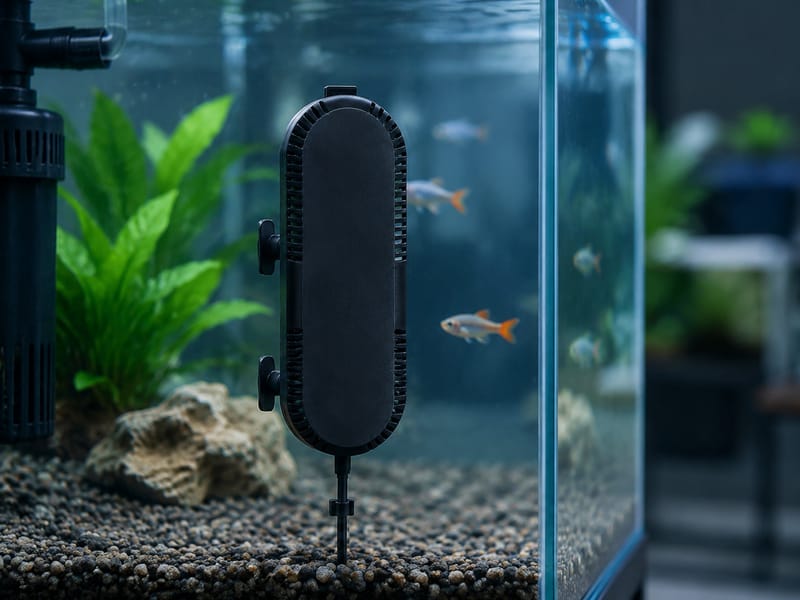
For pumps and filters, document:
- Startup and restart performance after disconnecting power.
- Flow direction and visible water movement under the planned setup.
- Flow adjustment range, if the model has a control.
- Noise and vibration when mounted correctly and when water level changes within normal operating conditions.
- Water leakage at joints, covers, hoses, and seals.
- Impeller access, seating, and behavior after reassembly.
- Air output consistency for air pumps and bubble distribution for air stones.
Do not evaluate flow only with an empty test container. Filters and circulation products can behave differently when tubing, media, intake guards, elevation changes, or aquarium décor create resistance. If a claimed flow rate or aquarium-size range will be used in retail materials, confirm exactly how that claim was derived and whether it matches the intended installation.
Heaters and lighting
For heaters, test temperature control against a separate, suitable reference thermometer. Record the ambient conditions, aquarium volume, water movement, starting temperature, set point, elapsed time, and measured temperature over time. A heater test should assess stability, not simply whether the water becomes warmer.
For lights, inspect output consistency, control responsiveness, heat at the fixture housing, and the practicality of the mounting system. If the product includes multiple modes, dimming, timers, or a controller, test every listed setting and record the sequence required to operate it. Complicated controls can become a support burden even when the fixture itself works.
Heat is a performance and usability issue across product categories. A power adapter, light body, pump, or heater control housing may become warm during operation. Note the condition objectively, compare it with the product’s instructions and applicable requirements, and escalate unusual heat, odor, deformation, or intermittent operation rather than treating it as a cosmetic concern.
Review Electrical Safety, Labels, and Instructions
Electrical aquarium products require special scrutiny because they operate near water. Review the physical product, plug, cable, packaging, labels, and instructions as one system. A functional sample is not enough if the user cannot install or maintain it safely.
Check that labels and instructions clearly address:
- Product identity, model identification, and electrical input information.
- Intended installation environment and any water-contact limitations.
- Required water level, placement, mounting, or submersion guidance.
- Cleaning and maintenance steps, including when the product must be disconnected from power.
- Warnings relevant to water, damaged cords, servicing, and children or pets where applicable.
- Setup diagrams that match the actual product and included accessories.
- Replacement-part identification where applicable.
- Packaging claims that match the approved sample and confirmed specifications.
For the U.S. market, identify the applicable electrical, labeling, testing, and documentation expectations for the exact product type before placing an order. Requirements may differ depending on the product, power arrangement, intended use, retailer policy, and sales channel. Do not print certification marks, safety claims, voltage statements, or performance claims until the relevant evidence and product-specific requirements have been confirmed.
Review instructions as if you were a first-time aquarium owner. Can a user tell which parts stay above water? Is there a clear sequence for assembling tubing, media, or brackets? Are warnings visible before an avoidable mistake occurs? Instructions should reflect the approved production version, not a generic manual from a similar model.
Test Cleaning, Maintenance, and Replaceable Parts
Many aquarium products fail commercially because they are frustrating to maintain rather than because they fail on day one. Sample testing should include at least one cleaning and reassembly cycle.
For each product, document:
- How long it takes to access routine service points.
- Whether tools are needed and whether they are included or clearly identified.
- Whether covers, clips, and seals can be removed without damage.
- Whether the user can distinguish replaceable parts from fixed components.
- Whether replacement media, impellers, sponges, tubing, lamps, or other consumables have clear sizes or part references.
- Whether reassembly creates a leak, alignment, noise, or performance problem.
- How easily debris can be removed from areas likely to collect algae, sediment, or biofilm.
A product with more features is not always the better retail choice. A highly adjustable filter may appeal to advanced hobbyists, while a simpler design with easier cleaning can be a stronger fit for entry-level customers. Consider the likely support burden, replacement-part strategy, and shelf explanation needed for each item.
For assortment planning, compare a WKAQOO WK071 model listing or other candidate model with your required maintenance steps and accessory plan. Confirm current included parts and replacement compatibility for the specific inquiry rather than assuming that related models share the same configuration.
Record Results and Approve a Golden Sample
A sample approval should produce a durable record, not just an email saying “approved.” Use a sample evaluation form that can be compared against bulk production and shared with sourcing, quality control, packaging, and purchasing teams.
Your record should include:
- Supplier, model, sample date, and internal SKU.
- Product photos from multiple angles, including labels and packaging.
- Measured dimensions and weight where relevant.
- Test setup, test duration, and observed results.
- Pass, fail, or conditional status for each requirement.
- Defect photos and severity level.
- Approved artwork, color reference, packaging layout, and instruction revision.
- Any agreed corrections or deviations.
- Names and dates for approval.
The golden sample is the physical reference that represents the approved product condition. It should include the product, accessories, packaging, labels, and instructions whenever those elements are part of the order. Store it carefully, identify it clearly, and ensure the inspection team uses the same reference during pre-shipment or production inspections.
Conditional approval is useful when the core product is acceptable but specific corrections are required. However, every condition should be precise. “Improve the package” is not actionable; “move the voltage label to the side panel and submit revised artwork for approval” is.
Move From Sample Approval to Bulk Inspection
Sample approval reduces risk, but it does not prove that every production unit will match the sample. Move from sample testing to a bulk inspection plan that focuses on the defects and variables most likely to change in production.
Use the golden sample and approved specification sheet to inspect:
- Product identity: Correct model, color, logo, components, and accessories.
- Workmanship: Surface finish, assembly quality, seals, cables, and mounting hardware.
- Function: A defined sample quantity tested for startup, controls, leaks, noise, and other category-specific functions.
- Packaging: Correct box, inserts, labels, barcode placement, manuals, and protective packing.
- Carton and shipment details: Correct quantities, carton markings, and protection appropriate to the product.
Do not overlook changes that appear minor. A revised cable, different suction cup, altered clip, substituted adapter, or changed packaging insert can affect safety, compatibility, customer setup, and retailer acceptance. Require written confirmation before accepting substitutions.
WKAQOO can support professional buyers who need to coordinate aquarium equipment sourcing across product categories, including sample discussions, specifications, branding, packaging, and order preparation. For model comparisons, review the WK073 product listing alongside your own approval criteria, then confirm model-specific details before committing to a program.
FAQ
How many samples should an importer test?
Test enough samples to evaluate the product design and any meaningful variations, such as color, plug configuration, packaging version, or accessory bundle. For a new supplier or a higher-risk electrical item, testing more than one sample can help identify unit-to-unit inconsistency. The appropriate quantity depends on product complexity, order value, risk tolerance, and the consequences of a failure.
What is the difference between a sample and a golden sample?
A sample is an item sent for evaluation. A golden sample is the final, documented physical reference approved for production comparison. It should reflect the confirmed product configuration, accessories, labels, instructions, and packaging whenever those elements are included in the purchase.
Should a buyer approve packaging separately from the product?
Yes. Packaging should be reviewed as its own approval item because it affects damage prevention, shelf presentation, required information, included instructions, and customer expectations. A product can pass functional testing while its packaging still needs correction.
A practical next step is to turn this checklist into a model-by-model approval form before requesting samples. If you are sourcing through WKAQOO, contact sales@wkaqoo.com to confirm the current specifications, customization options, sample terms, MOQ, packaging requirements, and lead time for the products under consideration.