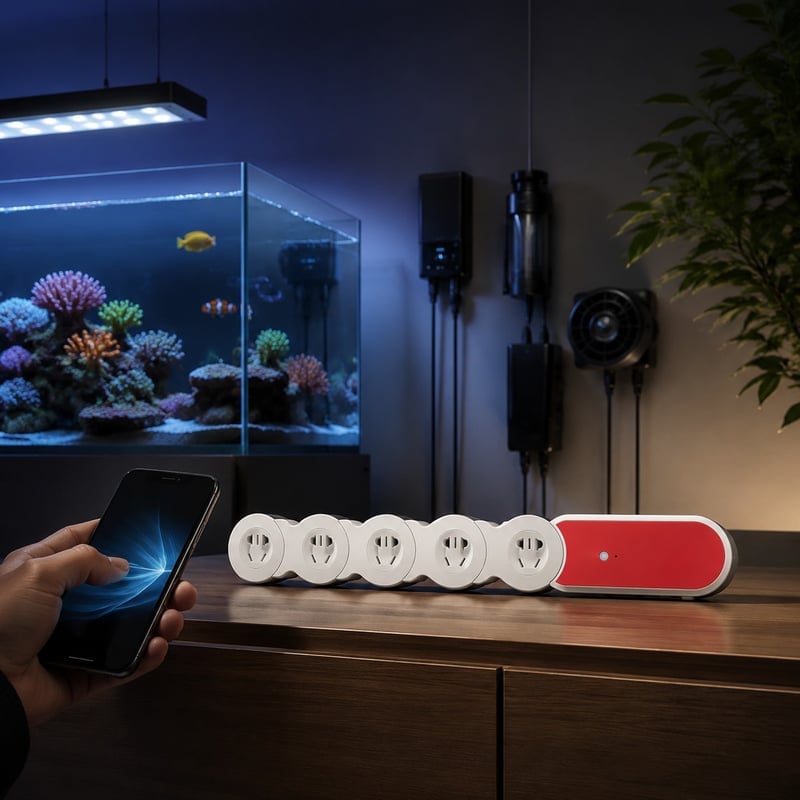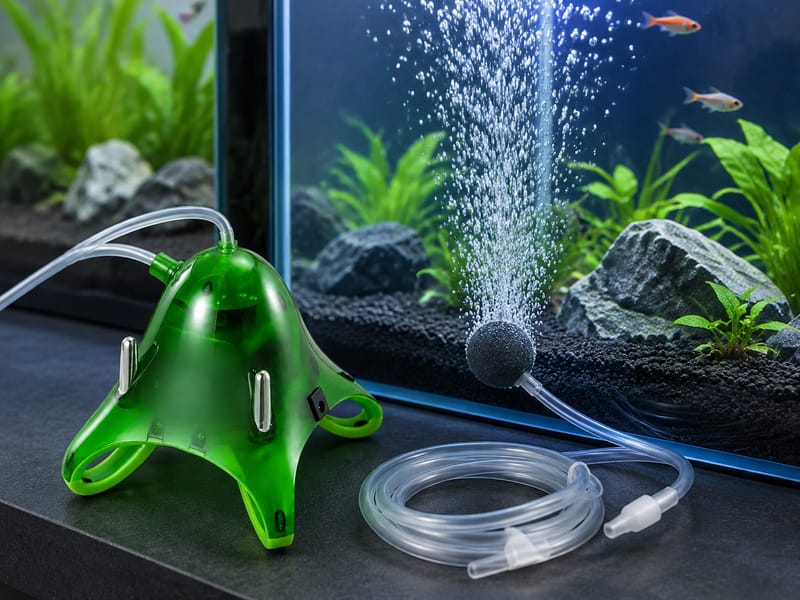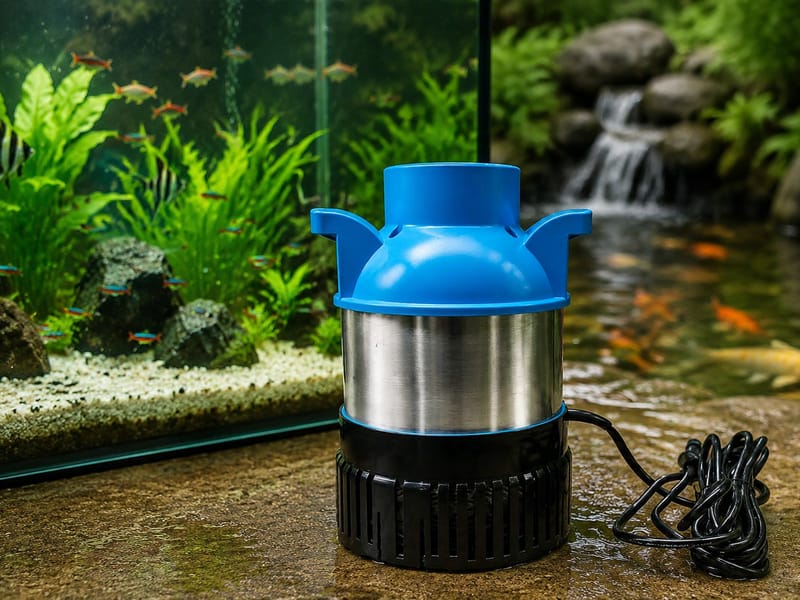
An energy-efficient aquarium circulation pump should deliver the water movement a tank needs without adding unnecessary power draw, heat, or noise. For wholesale buyers, the best choice is rarely the model with the highest advertised flow rate. It is the pump that matches the intended tank size, plumbing resistance, livestock environment, installation position, and retail price tier.
A practical product assortment usually includes more than one pump format or performance level. Buyers should compare actual operating conditions, review samples, and confirm model-specific documentation before placing an order—especially when selecting pumps for freshwater aquariums, marine systems, ponds, or private-label programs.
Why Water Circulation Matters in an Aquarium
Water circulation distributes heat, oxygen, nutrients, and conditioned water throughout an aquarium. It also helps prevent stagnant zones where debris can settle and water quality may become uneven. In a planted freshwater tank, controlled circulation can move nutrients around the aquarium without constantly disturbing plants or fish. In marine aquariums, stronger and more varied movement may be needed to reduce dead spots around rockwork and support species that benefit from higher flow.
It is important to distinguish a circulation pump from a filtration pump:
- Circulation pumps primarily create water movement within the aquarium or move water through a loop.
- Return pumps move water from a sump or filter chamber back to the display tank.
- Filter pumps are designed as part of a filtration system and may need to overcome media, hoses, and lift height.
- Air pumps improve aeration through bubbles but do not replace water circulation in every setup.
For retailers and distributors, clear labeling prevents customer confusion. A package that states only a maximum flow figure can lead to returns if the end user expects the pump to perform identically after hose length, lift height, fittings, and filter media are added.
An energy-efficient aquarium circulation pump is most valuable when it combines appropriate flow with reasonable electricity use, stable operation, and an installation design that fits the intended system. Oversizing can create excessive current, unnecessary energy consumption, and avoidable noise. Undersizing can leave weak circulation areas and reduce the usefulness of the equipment.
Flow Rate, Head Height, and Tank Volume
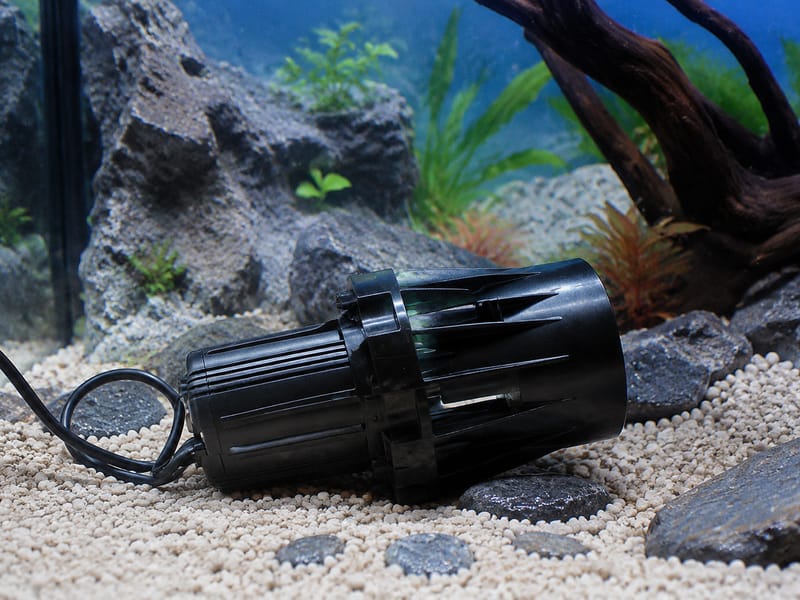
Flow rate is usually expressed in gallons per hour (GPH) or liters per hour (L/h). It is a useful starting point, but it is not enough to select a pump. Buyers also need to consider head height, which is the vertical distance the pump must push water upward.
A pump’s advertised maximum flow is commonly measured under favorable conditions. As lift height, hose length, bends, valves, fittings, and filter resistance increase, delivered flow normally declines. This is why a pump that appears suitable on paper may perform poorly in a sump return application.
| Selection factor | What to check | Why it matters |
|---|---|---|
| Rated flow rate | Rated GPH or L/h at stated conditions | Establishes the pump’s baseline capacity |
| Maximum head height | The maximum lift claimed for the specific model | Indicates whether the pump can serve elevated returns or water features |
| Flow curve | Flow at different head heights, if available | Gives a more realistic view of operating output |
| Tank volume | Display volume and total water volume | Helps avoid excessive or insufficient movement |
| Plumbing resistance | Hose diameter, run length, bends, valves, and media | Reduces real-world output from the pump |
| Flow control | Adjustable output, controller, or valve compatibility | Supports use across more tank sizes when appropriate |
| Outlet direction | Fixed or adjustable discharge orientation | Affects how easily users can eliminate dead spots |
Use turnover as a planning tool, not a fixed rule
A common planning method is to compare pump output with tank volume to estimate circulation turnover per hour. However, there is no single turnover rate that fits every aquarium. Aquascaping, fish species, coral selection, filtration design, substrate, and pump placement all change the result.
For example:
- A low-flow freshwater display may prioritize gentle, broad movement.
- A planted tank may need circulation that reaches behind hardscape without uprooting plants.
- A reef aquarium may need more substantial flow patterns, often from multiple points rather than one narrow jet.
- A pond system may need movement for water exchange or a fountain feature, but the pump still must be selected around lift, pipe diameter, debris exposure, and outdoor installation requirements.
For product planning, group pumps by realistic use cases rather than only by maximum GPH. A retailer can explain the range more clearly when it identifies models suited to compact aquariums, general community tanks, sump returns, higher-flow marine applications, or pond circulation.
Confirm the operating point
Before adding a model to an assortment, ask for the anticipated operating point:
- What is the target tank or pond volume?
- Is the pump submerged, inline, or used as a return pump?
- How high must it lift water?
- What hose diameter and approximate plumbing length will be used?
- Will the system include a spray bar, UV unit, chiller, canister filter, or other restriction?
- Is adjustable flow required?
- Does the end user need gentle directional flow or stronger broad circulation?
The answers determine whether the rated flow is relevant to the actual installation.
Energy Consumption, Noise, and Heat Output
Energy use matters because aquarium pumps often operate continuously. Even a modest difference in wattage can affect long-term operating cost, particularly in larger aquarium installations, multi-tank retail displays, or pond systems. Still, wattage should be evaluated alongside delivered flow and operating conditions—not as an isolated sales claim.
A lower-watt pump is not automatically the more efficient option if it fails to provide sufficient movement at the required head height. Likewise, a higher-output pump may be reasonable for a larger system if it can replace multiple smaller units or perform reliably at the necessary lift.
Compare efficiency in context
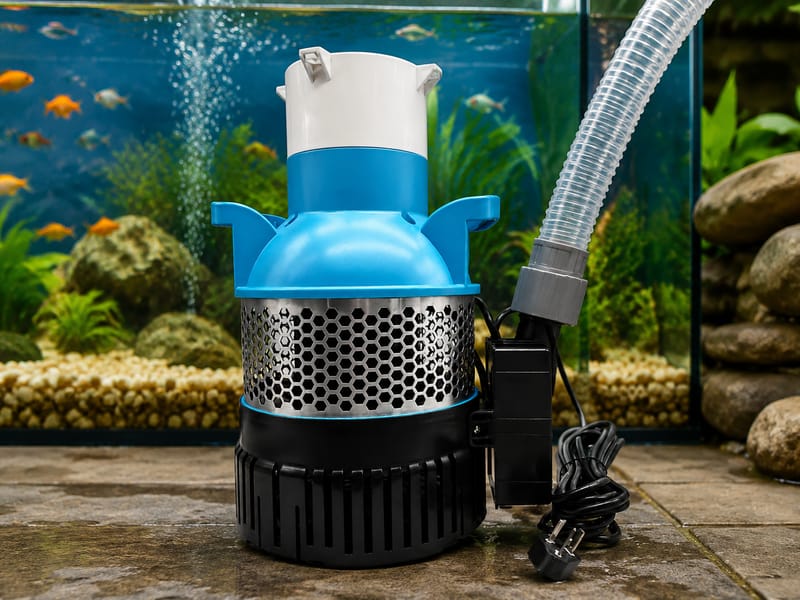
When reviewing models, compare:
- Rated power consumption at the specified voltage and frequency
- Rated flow at zero head and, ideally, at working head levels
- Expected use: circulation, return, filtration support, or pond transfer
- Whether output is adjustable and how adjustment affects power use
- Heat transfer into the water during extended operation
- Noise and vibration characteristics when mounted in the intended configuration
For aquarium owners, heat output can be a meaningful concern. Submersible pumps release some operational heat into surrounding water. In a small aquarium or a warmer room, that additional heat may affect temperature management. The actual impact varies by pump design, operating load, ambient temperature, tank volume, and whether the pump is submerged or externally installed where applicable.
Noise is also more than a comfort issue. Rattling, humming, or vibration can signal poor seating, trapped debris, air intake, worn impeller components, or contact between the pump and aquarium glass. A model should be assessed both while new and after normal cleaning and reassembly.
Common noise-control considerations
A buyer evaluating a pump line should check whether the product design includes practical features such as stable mounting points, suction cups or brackets where applicable, vibration-reducing contact surfaces, and accessible impeller housing. These features should be confirmed by model rather than assumed across a full range.
End users can often reduce noise by:
- Ensuring the pump is fully seated and not contacting hard surfaces unnecessarily
- Keeping the water level within the recommended operating range
- Removing trapped air after installation
- Cleaning the intake and impeller chamber
- Using the correct hose size and avoiding sharp bends
- Replacing worn mounting pieces or impeller components when available
Freshwater, Marine, and Pond Use Cases
The intended environment changes what buyers should prioritize. A pump that works well in a small freshwater community aquarium may not be suitable for saltwater use, high-debris pond operation, or a high-head return system.
Freshwater aquarium product lines
Freshwater buyers often need a balance of circulation, low visible clutter, manageable noise, and easy cleaning. Community fish tanks may require gentler movement than fast-flowing river biotopes. Planted aquarium users may also care about whether a concentrated outlet creates excessive surface disturbance, pushes floating plants into one corner, or leaves debris behind dense décor.
For freshwater assortments, useful selection points include:
- Suitable flow range for common home aquarium sizes
- Intake protection for small fish or shrimp, when relevant
- Directional control and outlet accessories, if included for the model
- Ease of cleaning without dismantling an entire setup
- Stable operation in shallow or compact aquarium compartments
Marine and reef aquarium product lines
Marine systems can require stronger circulation and more deliberate flow placement. Rockwork creates obstructions, and flow must reach areas behind and beneath structures. Many reef-focused buyers also value broad, dispersed movement over a narrow direct stream, although the ideal pattern depends on the livestock and aquarium layout.
Saltwater exposure can place greater demands on materials, shafts, seals, and maintenance practices. Do not assume a pump is suitable for marine use simply because it can move water. Confirm the manufacturer’s stated application, material compatibility, cleaning guidance, and any model-specific limitations.
Pond and water-feature product lines
Pond circulation pumps may face more debris, longer plumbing runs, higher lift, and outdoor environmental exposure. A pond buyer may need to prioritize prefiltration, intake protection, service access, head performance, cable length, and suitability for the expected installation arrangement.
Outdoor use also requires careful attention to electrical setup. Product documentation should clearly state whether the specific model is intended for indoor, submerged, external, freshwater, saltwater, or pond use. The end user must follow applicable electrical and installation requirements for the location.
Pump Placement, Safety, and Compatibility
Proper placement is often the difference between smooth operation and disappointing performance. Even a correctly sized pump can create dead zones, excessive surface agitation, sand disturbance, or noise when installed poorly.
For internal circulation, position the outlet so it moves water across the aquarium rather than blasting directly at livestock, substrate, or delicate décor. In a longer tank, one pump may not create even movement from end to end. Multiple lower-output pumps, positioned thoughtfully, can sometimes provide better coverage than one high-output unit.
For return applications, keep the intake protected from large debris and make sure the plumbing arrangement does not create unnecessary resistance. If a pump is used externally where the model permits it, verify priming requirements, seal condition, fitting compatibility, and leak-testing procedures.
Safety checks to include in product evaluation
Confirm the following for each specific model and target market before purchase:
- Voltage, frequency, plug type, and power rating
- Intended installation method: submerged, inline, external, or another stated configuration
- Electrical safety features and documentation, if any
- Cable condition and strain-relief design
- Maximum operating water temperature, where specified
- Use limitations for fresh, marine, or pond water
- Whether dry running is permitted or prohibited
- Intake guard, prefilter, or other protective accessories included with the model
- Compatibility with hoses, fittings, controllers, filters, or tank systems
Never recommend that users run a pump dry unless the manufacturer specifically permits it. Dry operation can cause overheating, accelerated wear, and failure in many water pump designs.
Buyers building a broader aquatic assortment can also review related equipment categories alongside pumps. For example, a WK139 aquarium product listing may help with catalog planning, but the current product page and supplier documentation should always be checked for model-specific compatibility and included components.
Maintenance Access and Expected Wear Points
A circulation pump is a wear item. Its expected service life depends on water quality, debris load, mineral buildup, operating hours, cleaning frequency, installation, and the condition of moving components. Buyers should avoid presenting any universal lifespan because it varies substantially by application.
The most common maintenance area is the impeller chamber. Algae, sand, detritus, mineral deposits, and biofilm can reduce flow and increase noise. In marine systems, salt deposits and calcium buildup may require more frequent attention. Pond pumps may encounter leaves, sediment, or organic debris that make intake protection and cleaning access especially important.
Practical serviceability checks
During sample evaluation, inspect whether users can reasonably:
- Remove the intake cover or prefilter
- Access the impeller without specialized tools, if designed for routine cleaning
- Reassemble the housing correctly
- Identify the direction and seating position of the impeller assembly
- Clean narrow passages where debris accumulates
- Replace model-specific wear parts if they are offered
- Maintain mounting components such as suction cups, brackets, or feet
Wear points often include the impeller, shaft, bushings, seals, intake guard, mounting components, and power cable. The exact construction differs by model, so private-label buyers should ask what replacement parts, if any, can be supplied and whether part numbers can be included in user instructions.
Good retail documentation should explain basic cleaning intervals as a condition-based practice. For example, users should clean the pump when output drops, vibration increases, or debris becomes visible—not wait until the pump is severely restricted.
How to Evaluate Samples and Supplier Documentation
A sample should be tested as an operating product, not only inspected as a catalog item. The goal is to verify fit, function, documentation quality, and likely customer experience in the intended use case.
Sample evaluation checklist
Test or inspect the following:
- Startup and restart: Does the pump start consistently after normal power cycling?
- Flow performance: Does output remain appropriate once hose routing, lift, and fittings are added?
- Noise and vibration: Test in the intended mounting position and water level.
- Temperature: Observe whether prolonged operation noticeably contributes heat to the water.
- Flow direction: Check whether the outlet placement produces usable circulation rather than a harsh jet.
- Cleaning access: Remove and reinstall serviceable components following the instructions.
- Build consistency: Inspect housing fit, intake protection, cable routing, connectors, and included accessories.
- Packaging usability: Review labeling, barcodes, instruction readability, warnings, and packing protection.
- Compatibility: Confirm connections with the intended hose sizes, tanks, filters, or accessories.
- Repeatability: If the order is significant, consider evaluating more than one sample to identify variation.
Ask for a current specification sheet rather than relying on previous listings or generic category descriptions. Useful documents may include dimensions, power data, voltage and frequency options, rated flow, maximum head, installation instructions, packing details, included accessories, and applicable test or compliance documents where required for the destination market.
Documentation should match the exact model, revision, voltage option, and packaging configuration under consideration. This is especially important when a product is offered with different plugs, branding, colors, accessories, or retail boxes.
OEM Packaging and Order Questions
Private-label and OEM pump programs require more than selecting a product body. Retail-ready execution may involve logo treatment, color options, packaging artwork, barcode placement, inserts, instruction manuals, warning labels, master carton markings, and accessory configurations. Each of these items should be confirmed for the exact inquiry.
WKAQOO supports professional aquarium product buyers with sourcing coordination across equipment and accessory categories. For a pump program, buyers can use that support to discuss product selection, compatibility, samples, branding, packaging, and order preparation—but availability and customization details must be confirmed model by model.
Questions to ask before confirming an order
Use this checklist for supplier discussions:
- Which voltage, frequency, plug, and power configurations are available for this model?
- What are the rated flow and maximum head figures for the exact version quoted?
- Is the pump intended for freshwater, saltwater, pond, submerged, inline, or external use?
- What accessories are included in the standard package?
- Are flow-control components, intake guards, hose adapters, or mounting parts included?
- What dimensions, cable length, carton details, and unit weight apply?
- What user instructions, warning labels, and packaging details are included?
- Can branding, color, packaging, inserts, or barcode placement be customized?
- What sample terms, MOQ, production schedule, and current lead time apply?
- What documentation is available for the target market and buyer’s required testing?
- Are replacement impellers, shafts, mounting parts, or other service components available?
- How will model revisions or packaging changes be communicated before repeat orders?
For comparison during assortment development, review the available WK133 product listing, WK138 product listing, and WK151 product listing alongside their current specifications. Product pages are a starting point; final purchasing decisions should be based on confirmed model documentation and samples.
A well-chosen energy-efficient aquarium circulation pump line balances usable flow, realistic head performance, controlled noise and heat, serviceability, and clear end-user instructions. Start with the actual application, test representative samples under realistic conditions, and confirm the exact specifications, packaging options, MOQ, and current lead time before finalizing an order. For sourcing discussions, contact WKAQOO at sales@wkaqoo.com.